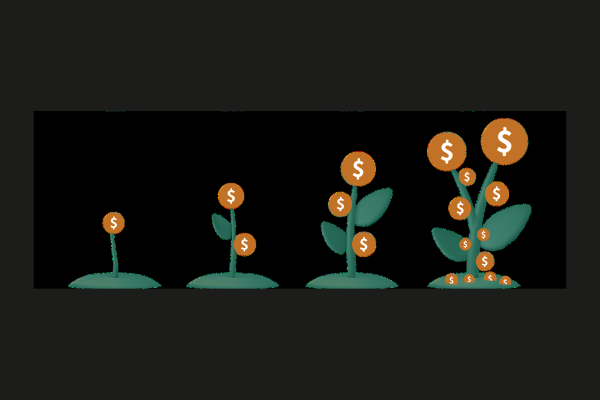
What a Good Loyalty Program Looks Like at Every Stage of Brand Growth
Most brands build their loyalty program once and never revisit it.
They set up a points system, pick a few rewards, launch it and move on. And for a while it works well enough. But as the brand grows, the program that made sense at launch starts to show its cracks. Redemption rates drop. Engagement flatlines. Customers stop caring.
The reason is simple. A loyalty program that works for a brand with 500 customers looks very different from one built for 50,000. The fundamentals stay the same but the strategy, the rewards, the data and the automation behind it all need to evolve as the brand does.
This blog breaks down what good loyalty looks like at each stage of brand growth and what to focus on as you scale.
Stage One — Getting Started
At this stage your primary goal is not scale. It is signal.
You are trying to understand who your most loyal customers are, what motivates them and what kinds of rewards they actually care about. Every interaction at this stage is data that will shape everything that comes after.
What to focus on:
Keep the program simple. A straightforward points system where customers earn for purchases, sign ups and referrals is enough to start. Do not overcomplicate it with tiers or multipliers before you understand your audience.
Get your rewards right from the beginning. This is the most common early mistake brands make. Defaulting to discounts is easy but it trains customers to expect price reductions rather than building genuine loyalty. Think about what your most loyal customer would actually value. Merch tied to their lifestyle. Exclusive access. Experiences connected to the brand. We cover this in depth in our blog on what rewards to offer in a loyalty program.
Set up your points configuration intentionally. How many points per dollar? What are they worth at redemption? These decisions affect how engaged your early members feel and how sustainable the program is as it grows. We created an amazing points calculator so you know how to set up your points, but this is exclusive to our clients. Sign up, here.
Start collecting data from day one. Every sign up, every survey, every receipt upload is a piece of zero party data that belongs to your brand. The brands that are most effective at scale are the ones that built good data habits early. More on why that matters in our blog on zero party data.
What success looks like at this stage: Your first members are engaging consistently, redeeming rewards and referring people they know. You have a clear picture of who they are and what they care about.
Stage Two — Building Momentum
At this stage you have enough data to start making smarter decisions. You know which rewards are being redeemed, which ones are being ignored and which segments of your audience are most engaged.
This is where the program starts to become a real growth engine rather than just a retention tool.
What to focus on:
Introduce tiers. Once you have a meaningful member base it is worth creating a tiered structure that rewards your most loyal customers with better perks. Bronze, Silver, Gold. Keep it simple and make sure the difference between tiers feels genuinely meaningful. A VIP tier that offers nothing noticeably better than the standard tier will not motivate anyone to climb.
Add multipliers and seasonal promotions. Bonus points during key periods, on specific products or for specific behaviors like event attendance or referrals give you a flexible tool to influence customer behavior without changing your base structure.
Segment your communications. Not every member should be getting the same message. At this stage you have enough data to start sending the right message to the right customer based on what you actually know about them. Customers who have not purchased in 60 days need a different message than customers who just hit a new tier milestone.
Start thinking about community. The most engaged loyalty members at this stage are the ones most likely to become brand advocates if you give them the right environment to do so. A loyalty program is one of the most natural entry points into a brand community.
What success looks like at this stage: Your program is driving measurable repeat purchase behavior. Tiered members are spending more than non tiered members. Your communications feel personal rather than generic.
Stage Three — Scaling With Intention
At this stage your loyalty program is no longer just a marketing tool. It is a business asset.
The data inside your program is telling you things about your customers that no external research could. Who your highest value customers are. Where they shop. What they care about. How often they engage. What makes them refer friends.
The challenge at this stage is maintaining the personal feel that made the program valuable in the first place while operating at a scale that makes manual effort impossible.
What to focus on:
Automate everything that can be automated. Welcome sequences, tier upgrade notifications, birthday rewards, re engagement flows for lapsed members, points expiration reminders. At scale these touchpoints need to happen automatically and consistently without anyone on your team having to trigger them manually.
Deepen personalization. The more data you have the more relevant your communications can be. A member who consistently redeems for merch should be hearing about new merch drops. A member who attends every event should be getting early access to event registration. Generic communications at scale are a missed opportunity.
Use your data strategically. The zero party data your program has been collecting since day one is now one of your most valuable business assets. Use it to inform product decisions, marketing strategy and reward selection. The brands that treat loyalty data as a growth input rather than just a retention metric are the ones scaling most effectively.
Protect the experience for your best members. As programs grow there is a tendency for the top tier experience to get diluted. Make sure your most loyal members still feel like insiders. Exclusive access, early drops, personal recognition and premium rewards should feel meaningfully different from the standard member experience.
What success looks like at this stage: Your loyalty program is running largely on autopilot. Your top tier members are your most valuable customers by revenue and your most active advocates by behavior. The data inside the program is actively informing decisions across the business.
The One Thing That Does Not Change at Any Stage
Regardless of where your brand is in its growth journey, one thing stays constant.
The loyalty program is only as strong as what it offers and how it makes members feel. A program that feels transactional at 500 members will feel even more transactional at 50,000. A program that makes members feel genuinely valued at launch will compound that feeling as it grows.
The brands that scale loyalty successfully are the ones that never lose sight of the person on the other end of the points system. They keep asking the same question at every stage: what would genuinely excite our most loyal customer right now?
The answer to that question changes as the brand grows. The importance of asking it never does.
Frequently Asked Questions
When should I launch a loyalty program? As early as possible. The brands that benefit most from loyalty programs at scale are the ones that started collecting data and building habits when their customer base was still small. Waiting until you have a large audience means losing years of compounding relationship data.
How do I know when to add tiers to my loyalty program? When you have enough members to make the distinction meaningful and enough data to understand what your most loyal customers actually want from a VIP experience.
How often should I update my loyalty program? Revisit the rewards and structure at least quarterly. As your brand grows your customers' expectations grow with it. A program that felt generous at launch may feel underwhelming two years later.
What is the biggest mistake brands make when scaling a loyalty program? Not automating early enough. As your member base grows the manual effort required to keep the program running consistently becomes unsustainable. Building automation into your program from the early stages makes scaling significantly easier.
How do I keep my loyalty program feeling personal at scale? Through segmentation and zero party data. The more you know about individual members the more relevant your communications can be even at scale. Personalization does not require manual effort when the right systems are in place.
A loyalty program that scales with your brand does not happen by accident. It requires the right foundation from the beginning and the right systems to support it as you grow.
At Merch Marketing, LoyalThread is built to grow with your brand from your first hundred members to your first hundred thousand. And GrowthStitch makes sure every member gets the right experience automatically at every stage.
Ready to build a loyalty program that actually scales? Let us show you how.